
The Cost of Being Seen as Strong
Blow OutThis flow explores how public and professional expectations of toughness conceal vulnerability across the novel’s characters.
increasing Bearing strength in each event
 decreasing
Bearing strength in each eventdecreasingThe Tough Police Leader
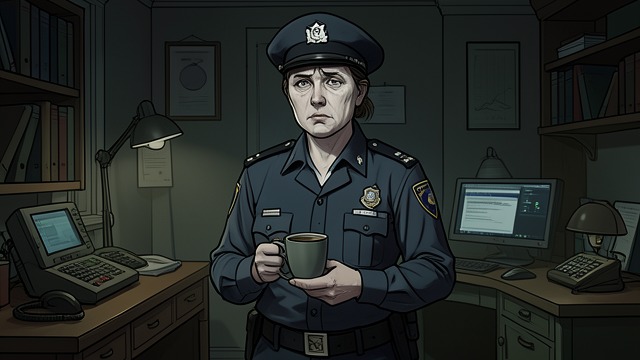
The Tough Police Leader
Confidence as a professional demand
Joanne insists she is fine when Harry Stone worries about her history and the emotional pressure of the new case. She fears that acknowledging difficulty may be treated as inability.
Her Krav Maga training and prior operational experience reinforce an image of toughness. They help her cope, but do not eliminate grief or exhaustion.
A private cost
Joanne works through the night and delays attention to her own needs. She is competent, but competence does not mean that she is unaffected.
The novel questions a workplace culture that can mistake endurance for wellbeing.
A Gangster’s Masculinity

A Gangster’s Masculinity
Strength as reputation
Jason O’Neill threatens retaliation and presents himself as capable of handling the murder himself. The performance fits the authority expected of a gang leader’s son.
His grief appears through anger and suspicion, forms of emotion more acceptable within his world than open vulnerability.
The limits of the performance
Jason’s concern for his mother and for Melissa complicates the hardman image. He can be genuinely distressed while still participating in a violent organisation.
The story distinguishes emotional sincerity from moral innocence.
The Veteran’s Burden
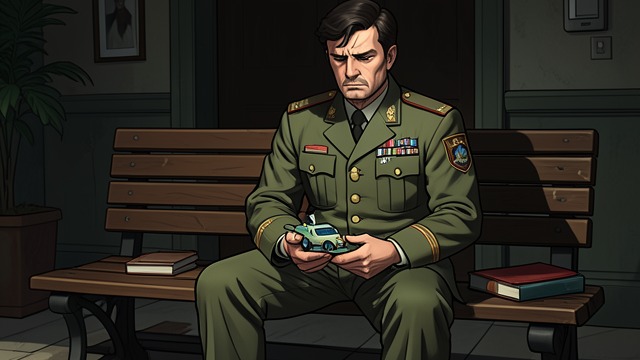
The Veteran’s Burden
A past of combat
Aaron Teesdale describes his service in Sangin and the post-traumatic symptoms that followed his wife’s death. He recalls panic, nightmares, and his inability to care for his children.
His former military identity does not protect him from breakdown. He requires treatment and family support after social services take over the children’s care.
Strength without simplicity
Joanne investigates him as a possible suspect because of his grievance and weapons, while hearing his account with compassion. His pain is real, but it must still be tested against the evidence.
The story resists both romanticising military toughness and treating trauma as proof of violence.
A Girl Expected to Endure
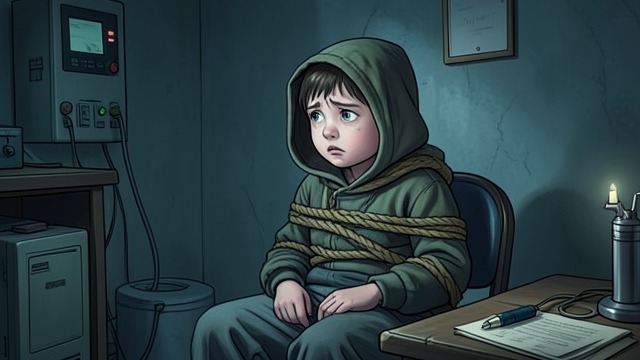
A Girl Expected to Endure
Captivity hides distress
Melissa’s captors expect her to obey, stay quiet, and tolerate discomfort. She is left bound, cold, and worried about her breathing, while adults control every practical choice.
Her fear and exhaustion are largely invisible to the world outside the room. The absence of an outward signal does not mean she is coping well.
Survival is not toughness
Melissa uses observation, memory, and the inhaler to survive. These capacities deserve recognition without implying that a child should have been able to rescue herself.
The story places responsibility on the adults who abduct and protect her, rather than celebrating endurance as a substitute for care.
Joanne After the Collision

Joanne After the Collision
A public outcome, a private image
After Darren dies on the motorway, colleagues tell Joanne that the collision was not her fault. She continues to see his final expression and questions whether chasing him made the outcome inevitable.
Her distress persists despite professional reassurance. The official debrief and the personal memory do not operate on the same timetable.
Vulnerability after command
Joanne must lead the investigation’s aftermath while carrying guilt, exhaustion, and the fear of judgment. She turns off her phone during the debrief when Agata calls, postponing personal comfort.
The novel ends by making room for tenderness, but not by presenting intimacy as a cure for trauma.
Monday, October 16
Monday, October 16
October 19–20
October 17–22
Sunday evening, October 22, and the following day
